May 2026 offers three remarkable skywatching opportunities: the Eta Aquarid meteor shower, a stunning Moon-Venus conjunction, and a rare Blue Moon. Whether you're a seasoned stargazer or a curious beginner, this guide will help you make the most of these celestial events. Follow the steps below to plan your observations, gather the right gear, and enjoy the night sky like never before.
What You Need
- Dark sky location: Away from city lights (a park, rural area, or your backyard if it's dark enough).
- Comfortable chair or blanket: You'll be looking up for extended periods.
- Warm clothing: Nights can be cool, even in May.
- Red flashlight: Preserves your night vision; a regular flashlight with red cellophane works.
- Sky map or app: Such as NASA's Daily Moon Guide or a stargazing app like SkySafari.
- Binoculars or small telescope (optional): Useful for the Moon-Venus conjunction, but not required.
- Patience and time: Let your eyes adjust for 20–30 minutes.
- Phone off (or on silent): Bright screens ruin night vision.
Step 1: Watch the Eta Aquarid Meteor Shower (May 5–6)
Timing: The peak occurs before dawn on May 5 and 6, 2026. Observing windows: 2–5 a.m. local time.
What to expect: Up to 50 meteors per hour under ideal dark skies. These fast meteors (40 miles/second) come from Halley's Comet debris. They often leave glowing trails.
How to observe:
- Find a dark location with an open view of the eastern sky.
- Arrive 30 minutes early to let your eyes adapt.
- Lie back or recline in a chair. Look generally toward the constellation Aquarius (low in the east before dawn).
- Do not look at your phone; even a brief glance disrupts dark adaptation.
- Watch for fast streaks and occasional fireballs. The shower is active from late April to mid-May, but the peak offers the highest rates.
Note: A bright waning gibbous Moon may wash out fainter meteors this year. Focus on the brighter ones.
Step 2: See the Moon and Venus Conjunction (May 18)
Timing: Just after sunset on May 18, 2026. Look west-northwest around 8:30–9:00 p.m. (adjust for your location).
What to expect: A slender crescent Moon sits very close to brilliant Venus — one of the most striking pairings of the year. Venus shines as the "evening star," and the Moon acts as a guide to find it.
How to observe:
- Find a spot with a low western horizon, free of trees or buildings.
- Face west after sunset. Venus will be the brightest object in that part of the sky.
- The crescent Moon will be just above or to the side of Venus (exact separation varies by location).
- Use binoculars for a closer look: you may see Earthshine on the Moon's dark side.
- Enjoy the view with the naked eye — no equipment needed.
Fun fact: Though they appear close, Venus is actually millions of miles away from the Moon. The illusion is due to line-of-sight alignment.
Step 3: Spot the Rare Blue Moon (May 31)
Timing: Full Moon on May 31, 2026. The exact moment of fullness occurs at 12:45 p.m. EDT (convert to your time zone). Best viewing at moonrise around sunset.
What to expect: It's the second Full Moon in May (the first was on May 2). This qualifies as a Blue Moon, a relatively rare occurrence that gives rise to the phrase "once in a blue moon." The Moon will not actually appear blue in color.
How to observe:
- Check the moonrise time for your location (use an app or almanac).
- Find a high vantage point or open horizon toward the east.
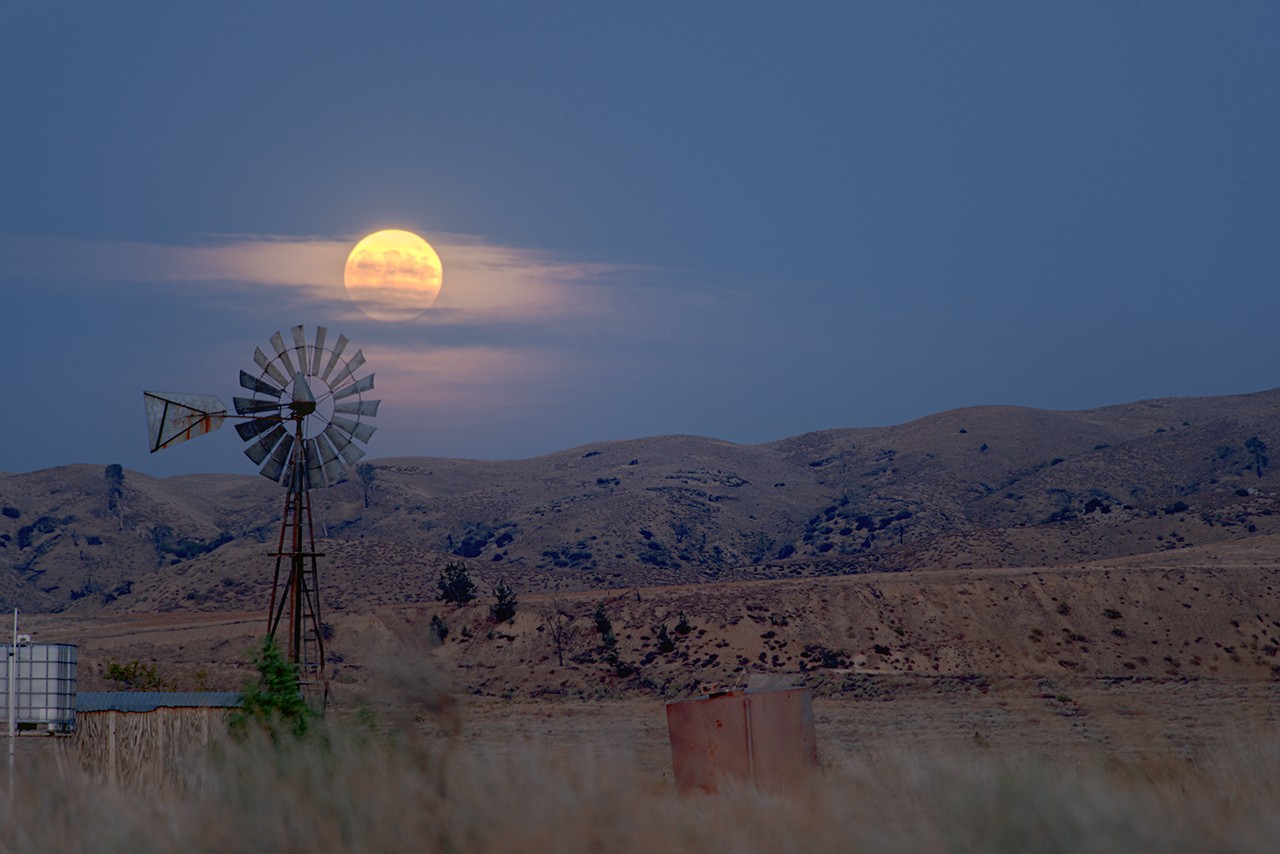
- Watch as the Moon rises — it may appear large and orange due to atmospheric scattering.
- Photograph the scene with landmarks for a dramatic shot.
- Later in the night, the Moon will be high and white. Enjoy its brightness through binoculars.
Tips for a Successful Skywatching Experience
- Dark adapt properly: Avoid white light for at least 30 minutes before observing meteors. Use a red filter on any flashlight.
- Check the weather: Cloudy skies ruin the show. Plan for a clear forecast.
- Bring a friend: Sharing the experience makes it more enjoyable and you can take turns spotting.
- Record what you see: Jot down notes or sketch the sky to remember details.
- For the meteor shower: Look slightly away from the radiant (Aquarius) to see longer trails.
- Safety first: If observing from a roadside, park safely. Always let someone know your location if going to a remote area.
- Use this guide repeatedly: The same techniques apply to other meteor showers and conjunctions throughout the year.
May 2026 offers a triple treat for skywatchers. With careful planning and a little patience, you can witness shooting stars, a planetary meetup, and a rare Blue Moon. Happy observing!