A Decade of Promises, Little Delivery
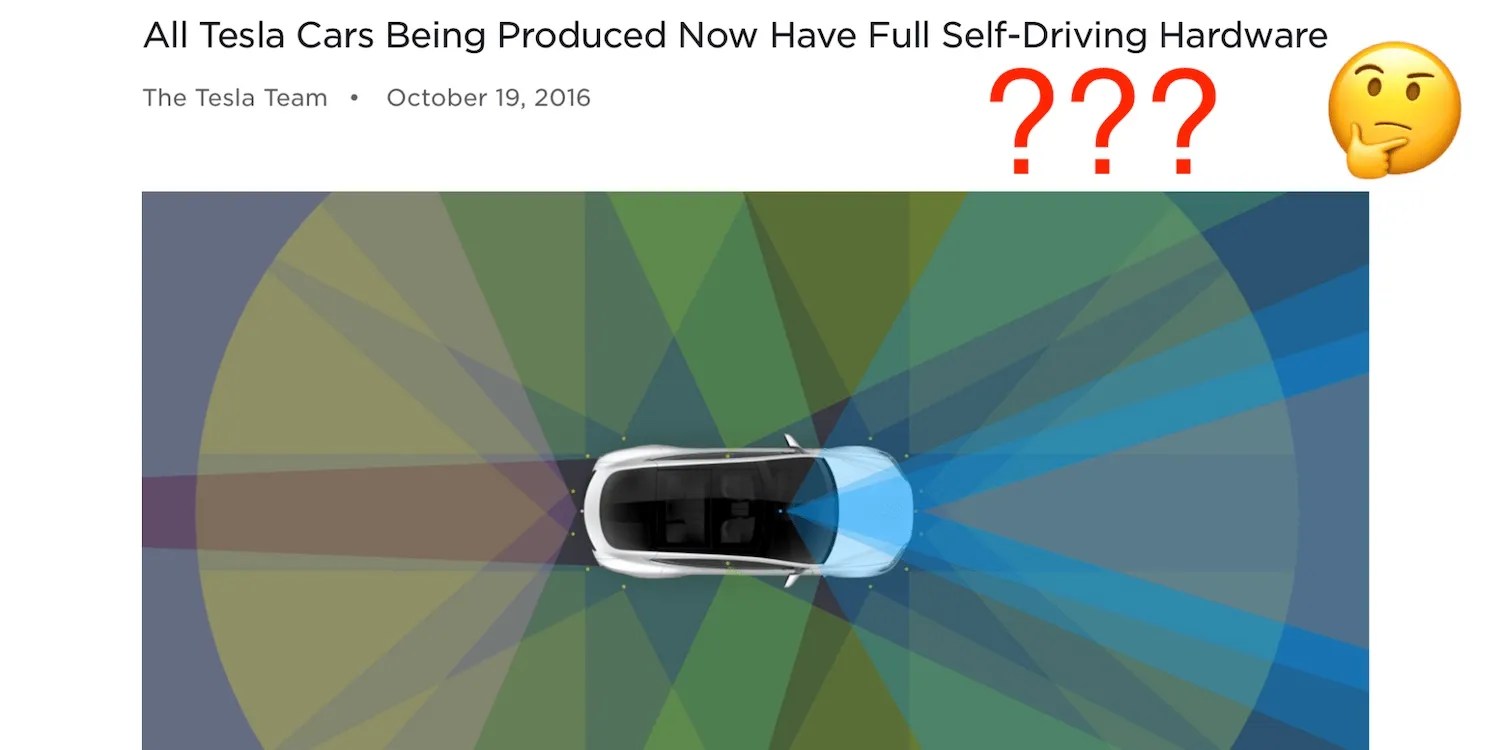
For more than ten years, Tesla has marketed its vehicles with the promise of full autonomous driving capability. The company has repeatedly stated that every car it produces includes all necessary hardware for self-driving, though the software has consistently fallen short of that ambitious goal. Elon Musk’s bold predictions—that a Tesla would be able to drive itself across the country by 2017, then 2018, then 2019—have become a running joke among critics. Yet customers who paid thousands for the Full Self-Driving (FSD) package now find themselves with a feature that still requires constant driver attention and cannot legally operate without human supervision.
The Foundation of the Dispute
What Tesla Told Customers
Tesla’s marketing language has evolved over the years, but the core message remained: buy a Tesla with the FSD package, and you’ll eventually get a car that can drive itself. The company’s website once claimed that vehicles equipped with FSD could navigate highways, change lanes, and park without human intervention—features that are still only partially functional or nonexistent. Many early adopters paid up to $10,000 for this promise, believing they were investing in future technology that would only increase in value.
Ben Gawiser’s Experience
Ben Gawiser, a Tesla owner from California, purchased his vehicle with the expectation that FSD would deliver on its name. After years of software updates that failed to provide true self-driving capability, he decided to take legal action. In a small claims court, Gawiser argued that Tesla had engaged in deceptive business practices by selling a product that did not perform as advertised.
Court Victory for One Owner
The $10,600 Judgment
In early 2025, Gawiser won a judgment of $10,600 against Tesla. The court found that the company had indeed misrepresented the capabilities of its FSD system, at least in his case. The amount awarded was intended to compensate for the portion of the purchase price Gawiser attributed to the misleading claims. The ruling was seen as a small but significant win for frustrated owners who feel they were sold a dream that never materialized.
- Case Type: Small claims, often more accessible for individuals
- Amount: $10,600—roughly the cost of the FSD option
- Key Finding: Tesla’s promises about FSD were not fully delivered
Tesla’s Ongoing Resistance
Even after the judgment, Tesla has taken steps to delay payment. According to court records, the company has filed motions to delay payment by a few days at a time, appealing the decision and dragging out the process. This strategy, while common in larger corporate disputes, feels particularly tone-deaf given the company’s public image as an innovator. Gawiser told reporters that he just wants Tesla to honor the court ruling, but the automaker seems determined to fight every step.
Why Tesla Keeps Fighting
Legal experts speculate that Tesla’s resistance is twofold: First, the company does not want to set a precedent that could encourage thousands of other owners to sue. If every FSD buyer could claim a refund, the financial liability could run into billions. Second, Tesla’s legal team may be hoping to either overturn the ruling or reduce the amount through appeals. The tactic of delaying payment, even for a few days, buys the company time to prepare a stronger defense.

Broader Implications
Regulatory Scrutiny
Gawiser’s case is not isolated. Regulatory bodies in the United States and Europe have investigated Tesla’s self-driving claims. The National Highway Traffic Safety Administration (NHTSA) has probed several crashes involving Autopilot, where the system failed to recognize obstacles. Meanwhile, Tesla’s use of the term Full Self-Driving has been criticized as dangerously misleading, since the feature is still classified as Level 2 advanced driver assistance, not true autonomy.
Consumer Lawsuits on the Rise
A class-action lawsuit in California is already seeking to represent thousands of Tesla owners who feel duped by FSD promises. Several individual cases have also been filed in small claims courts across the country, with varying outcomes—some owners win, others lose. The Gawiser case is among the few where a plaintiff has successfully obtained a monetary award, making it a symbol for the broader movement.
What This Means for Future Customers
For anyone considering purchasing a Tesla today, the FSD option remains a gamble. The software has improved—it can navigate on highways, stop at traffic lights, and suggest lane changes—but it still requires constant human oversight. Tesla continues to claim that true self-driving is coming soon, but without a firm timeline, the promise rings hollow. Until the technology actually delivers, buyers might want to treat FSD as a speculative investment rather than a completed feature.
Internal Links for Further Reading
Learn more about the foundation of the dispute | Read about the court victory details | Explore broader implications of the case
Summary
Ben Gawiser won a $10,600 judgment against Tesla for misleading Full Self-Driving claims, but the company continues to delay payment. The case highlights ongoing tensions between Tesla’s marketing and the reality of its Autopilot technology, with implications for future regulation and consumer rights.